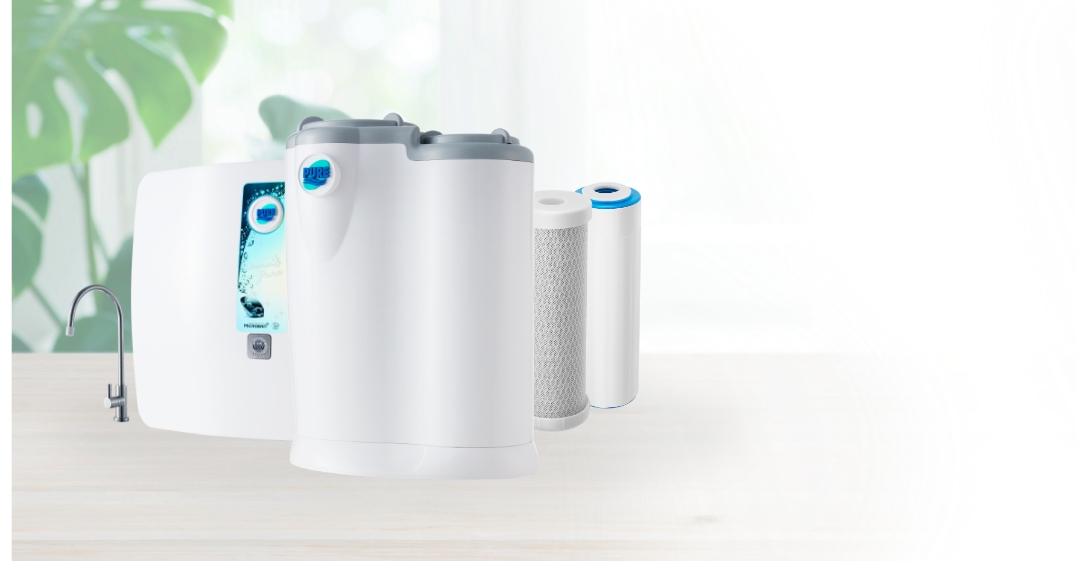
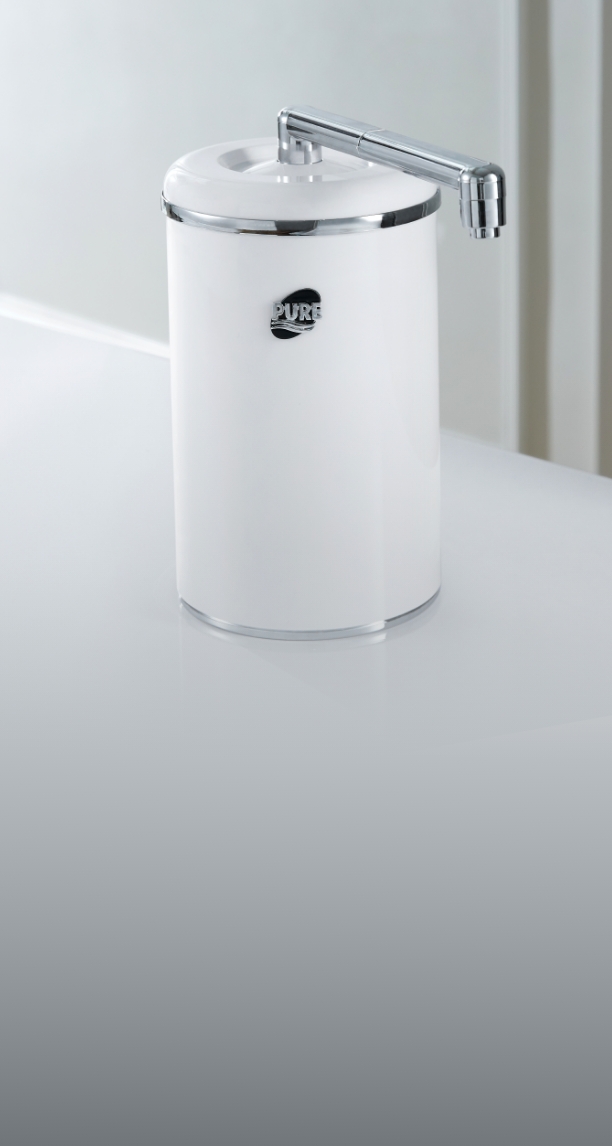
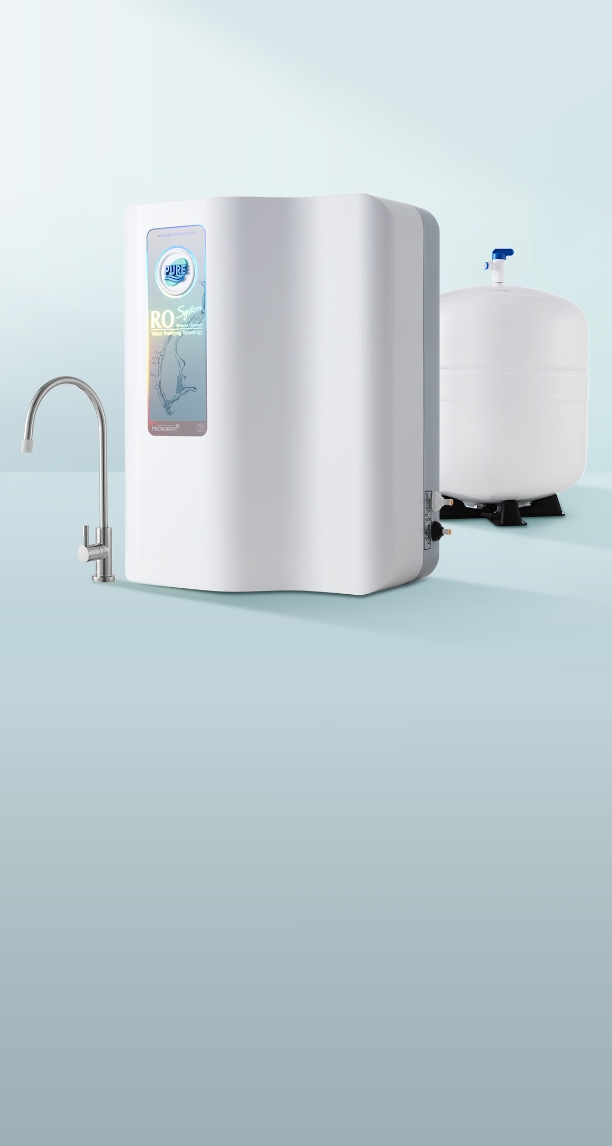
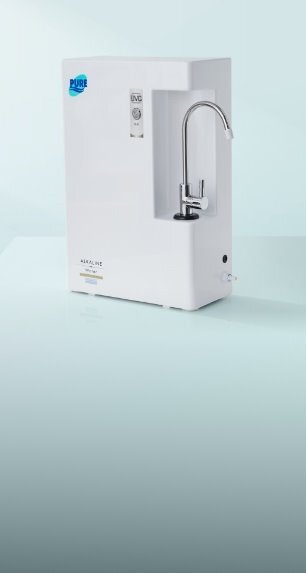
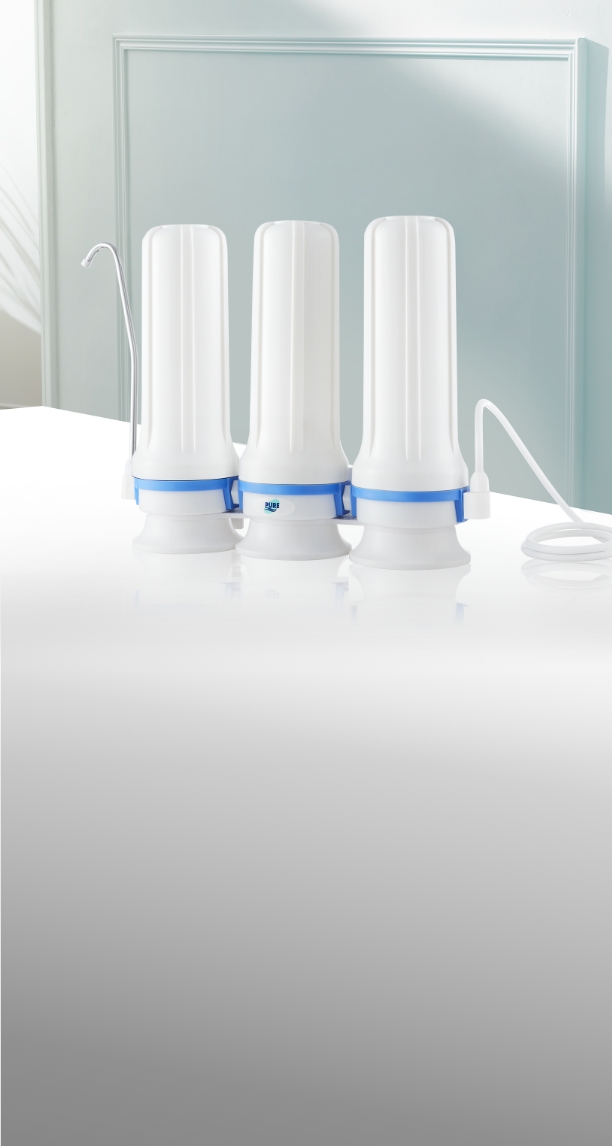
ตอนนี้น้ำประปาในบางพื้นที่มีรสเค็ม เนื่องจากน้ำทะเลหนุน หากต้องการซื้อเครื่องกรองน้ำจะต้องคำนึงถึงเครื่องกรองที่สามารถกรองน้ำกร่อยได้
ดูเครื่องกรองน้ำกร่อย
ตอนนี้น้ำประปาในบางพื้นที่มีรสเค็ม เนื่องจากน้ำทะเลหนุน หากต้องการซื้อเครื่องกรองน้ำจะต้องคำนึงถึงเครื่องกรองที่สามารถกรองน้ำกร่อยได้
ดูเครื่องกรองน้ำกร่อย



รหัสอ้างอิง X1234
ไม่ได้รับรหัส? ส่งรหัสอีกครั้ง ในอีก 59 วินาที
รหัสอ้างอิง X1234
ไม่ได้รับรหัส? ส่งรหัสอีกครั้ง ในอีก 59 วินาที


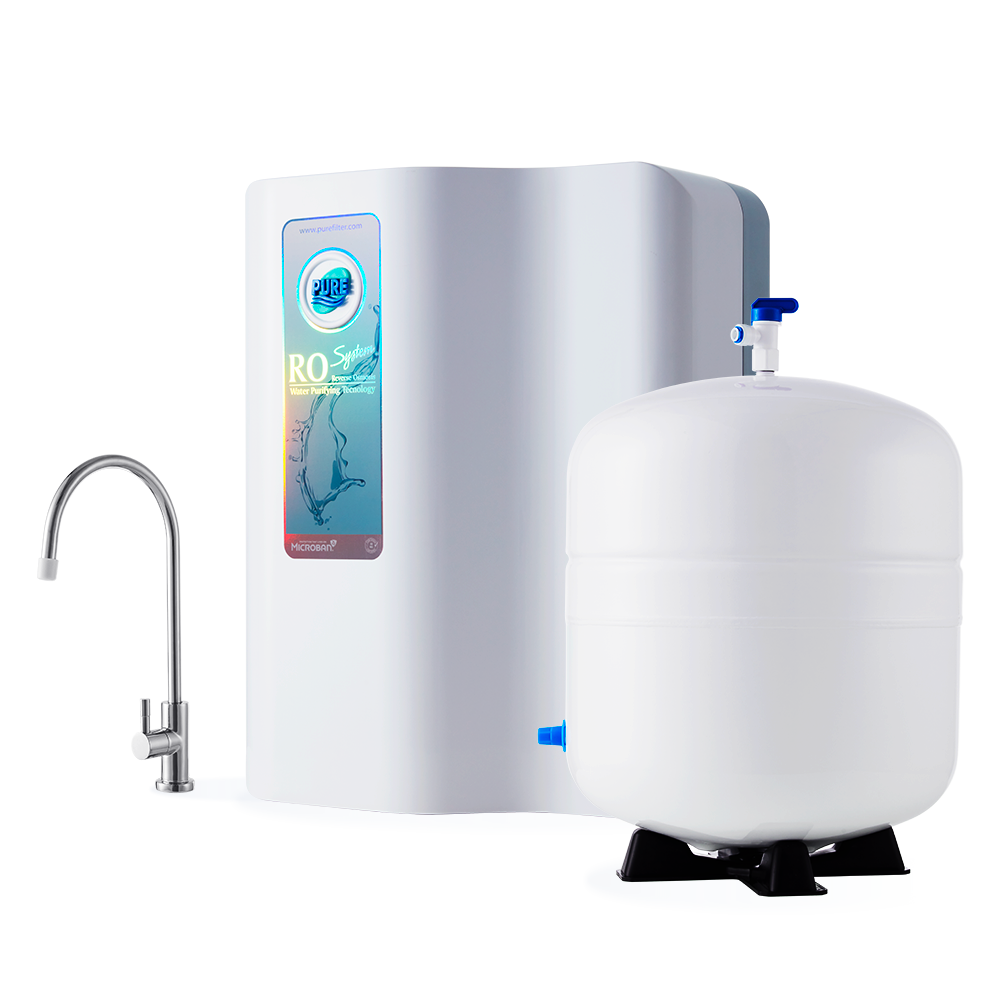
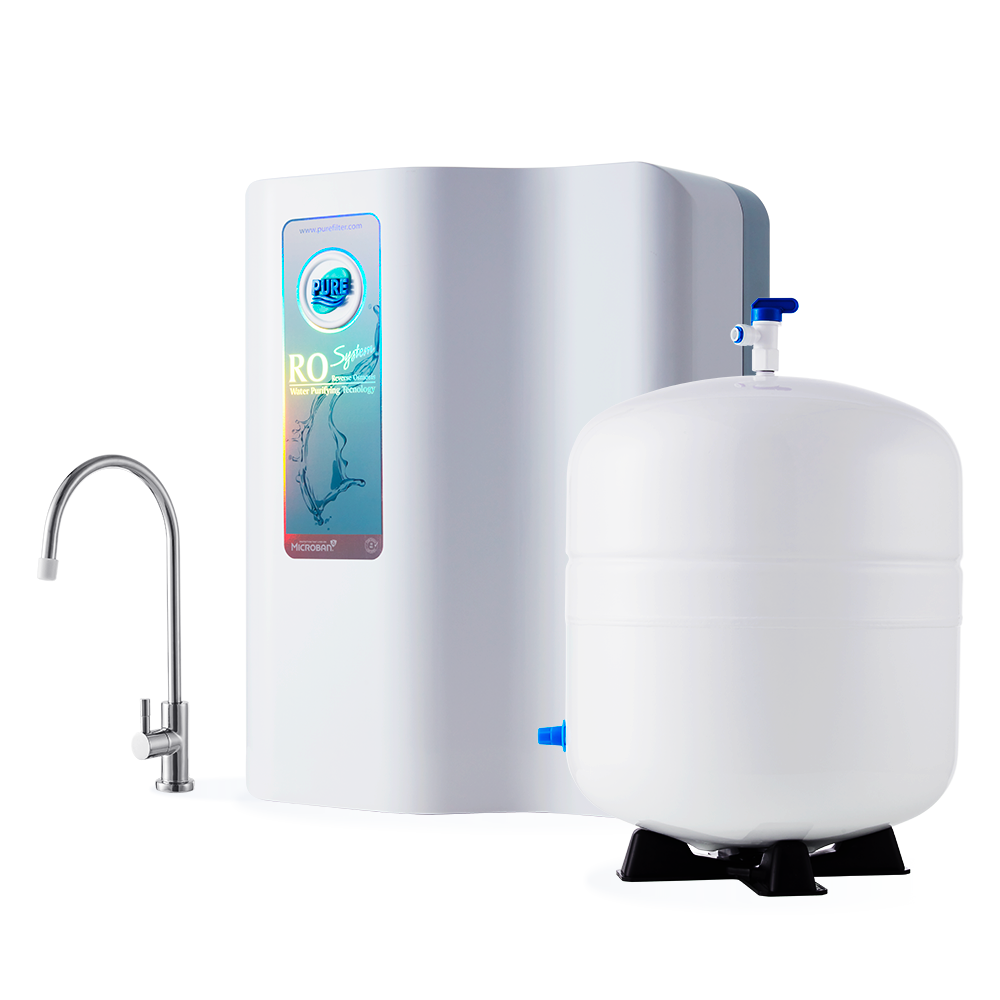
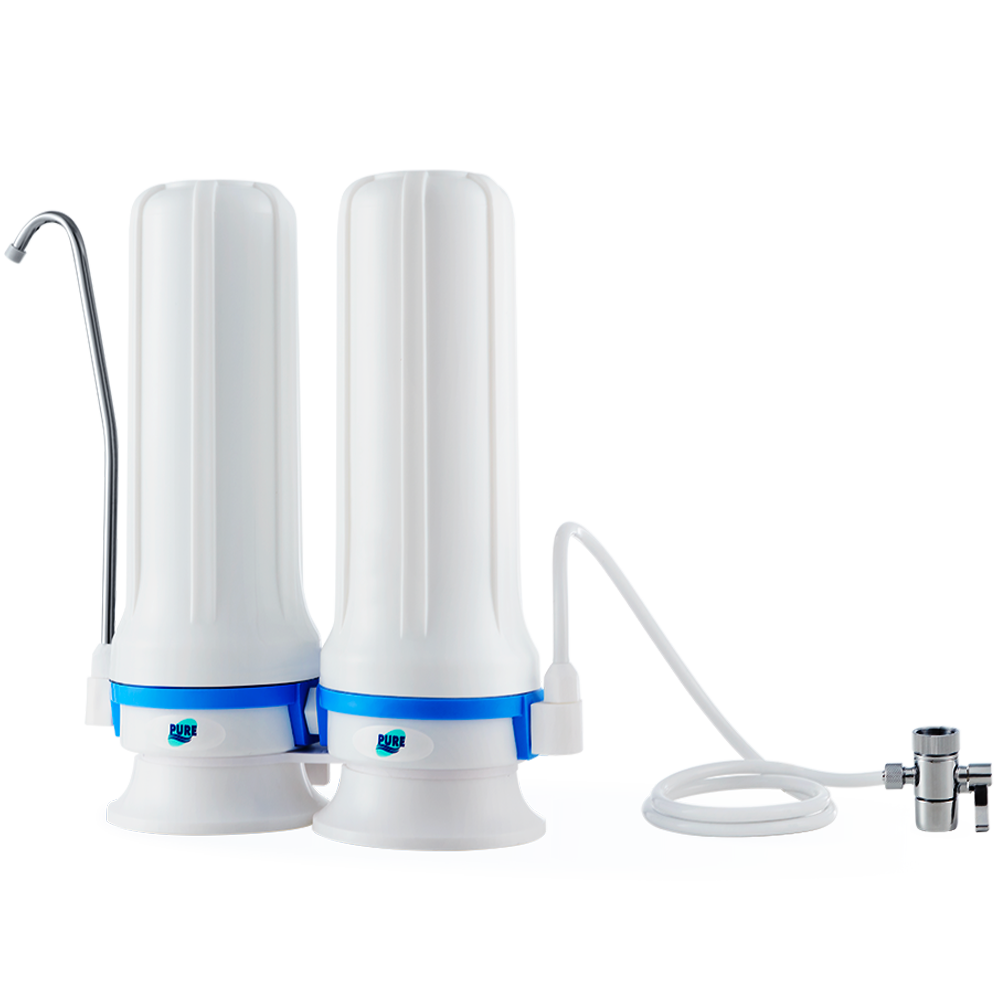
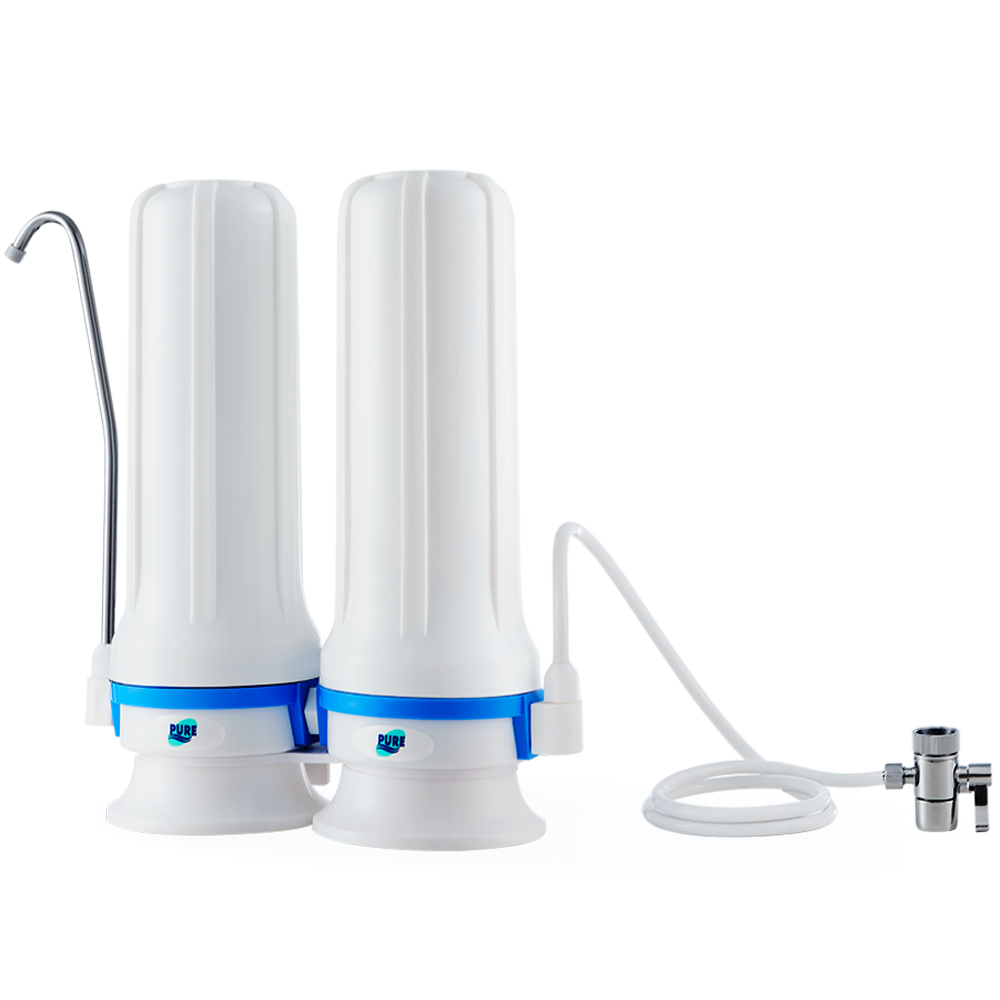
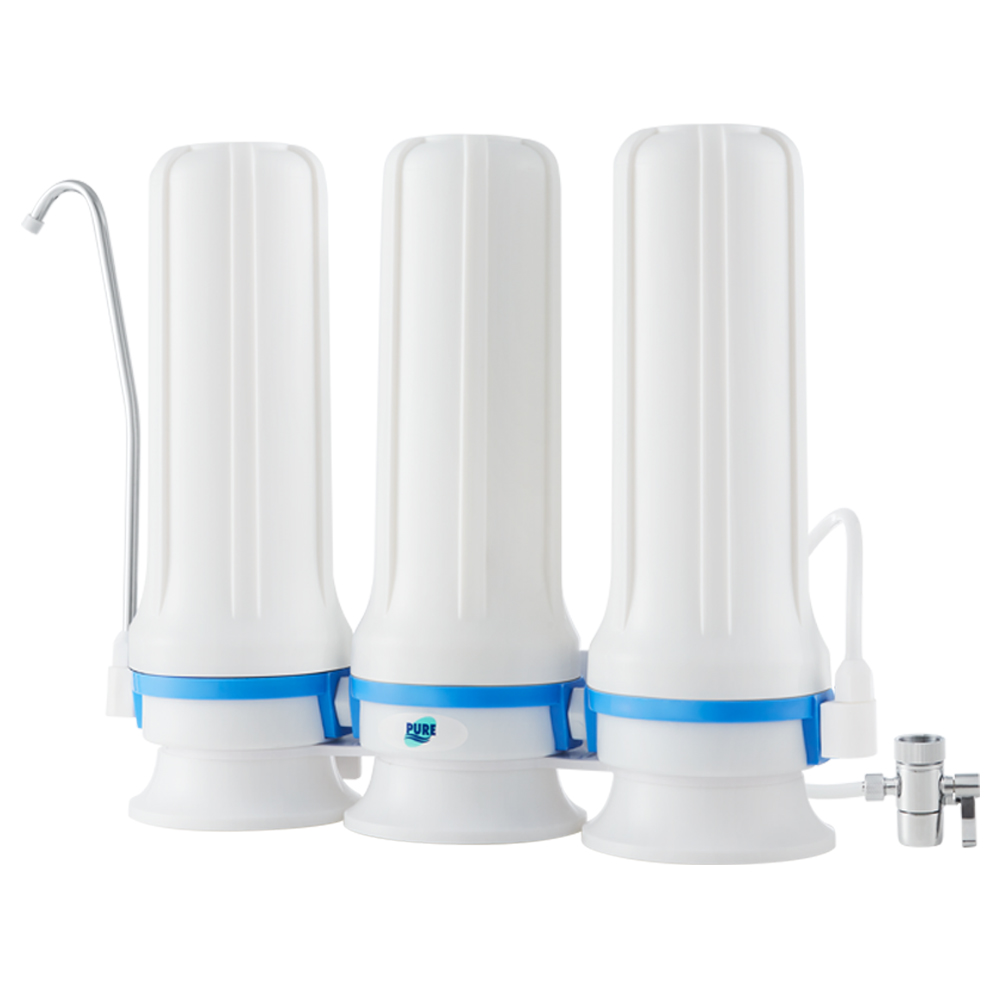
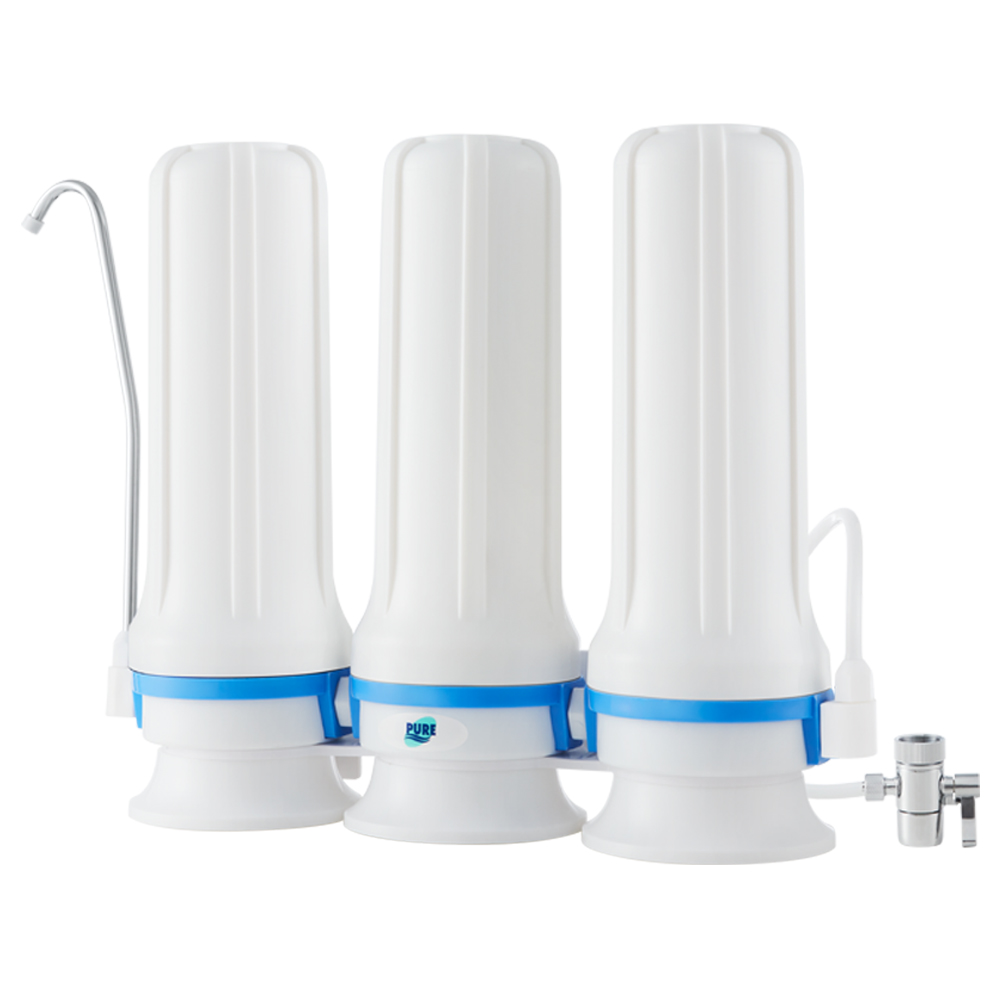
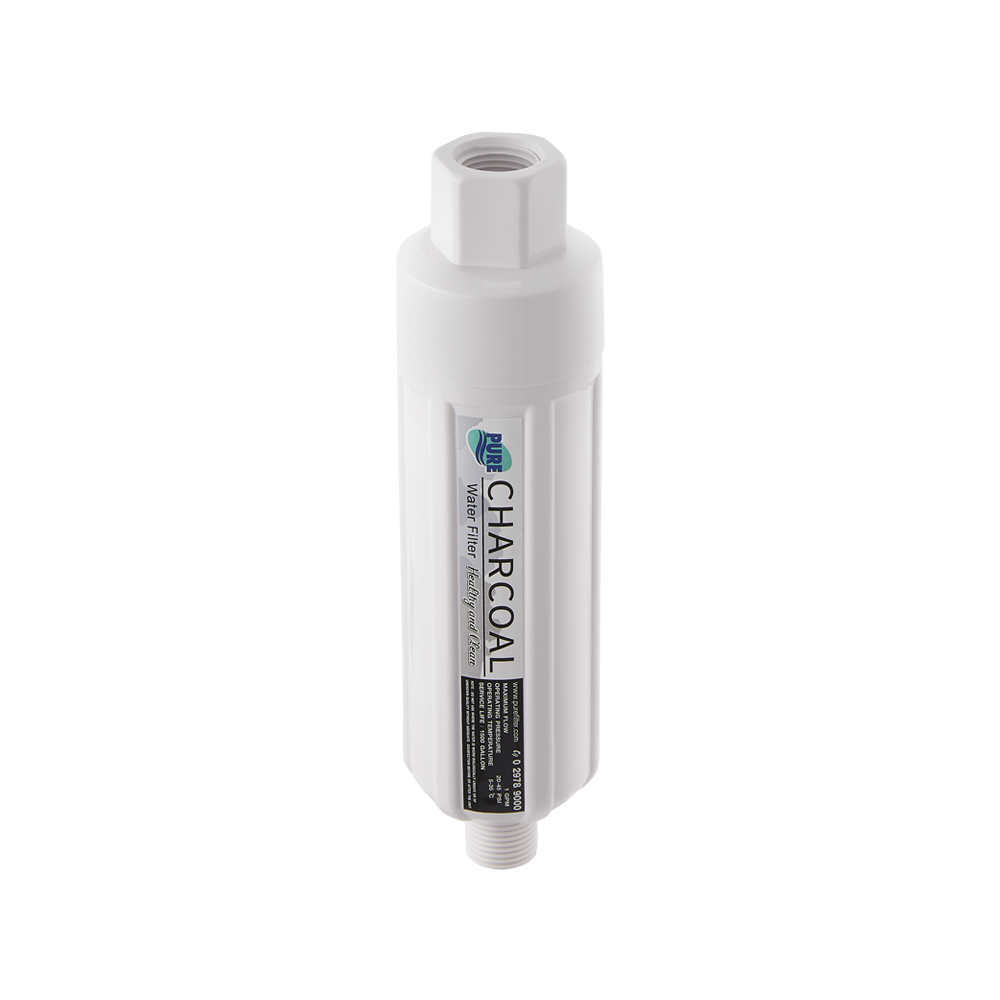
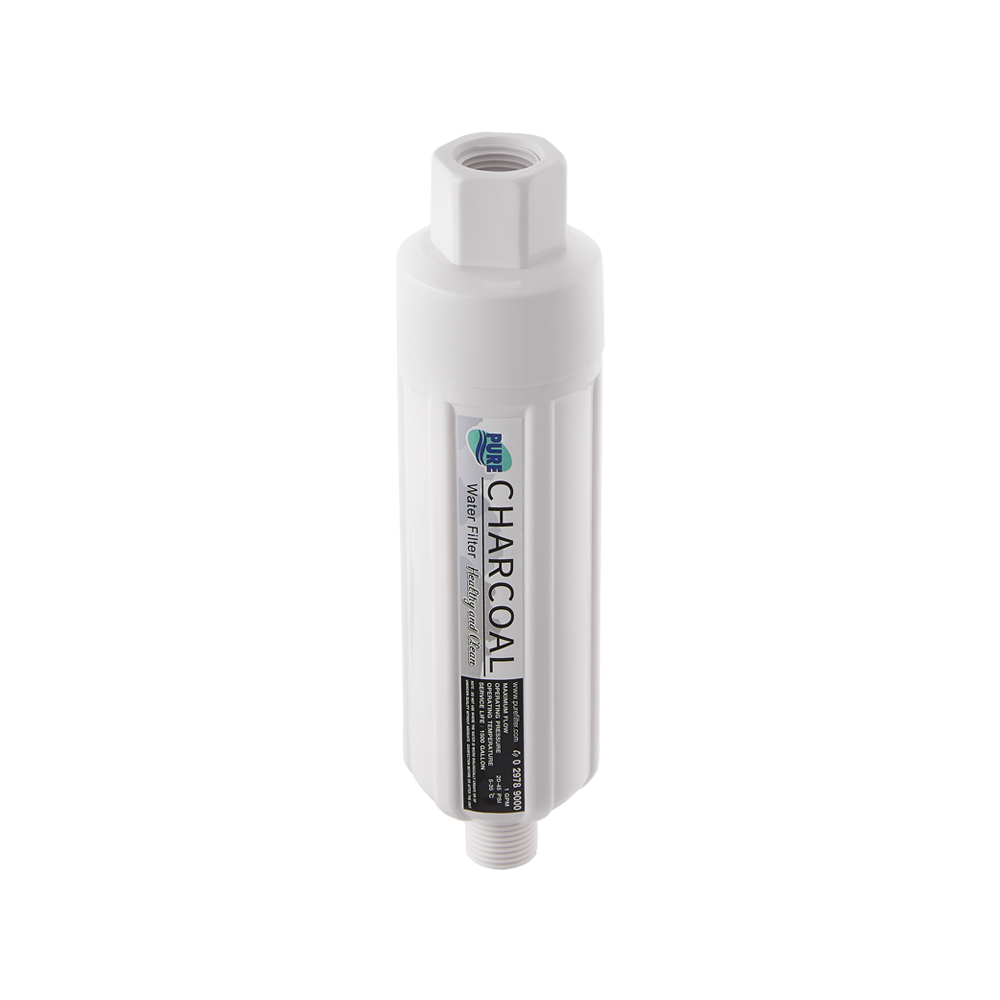
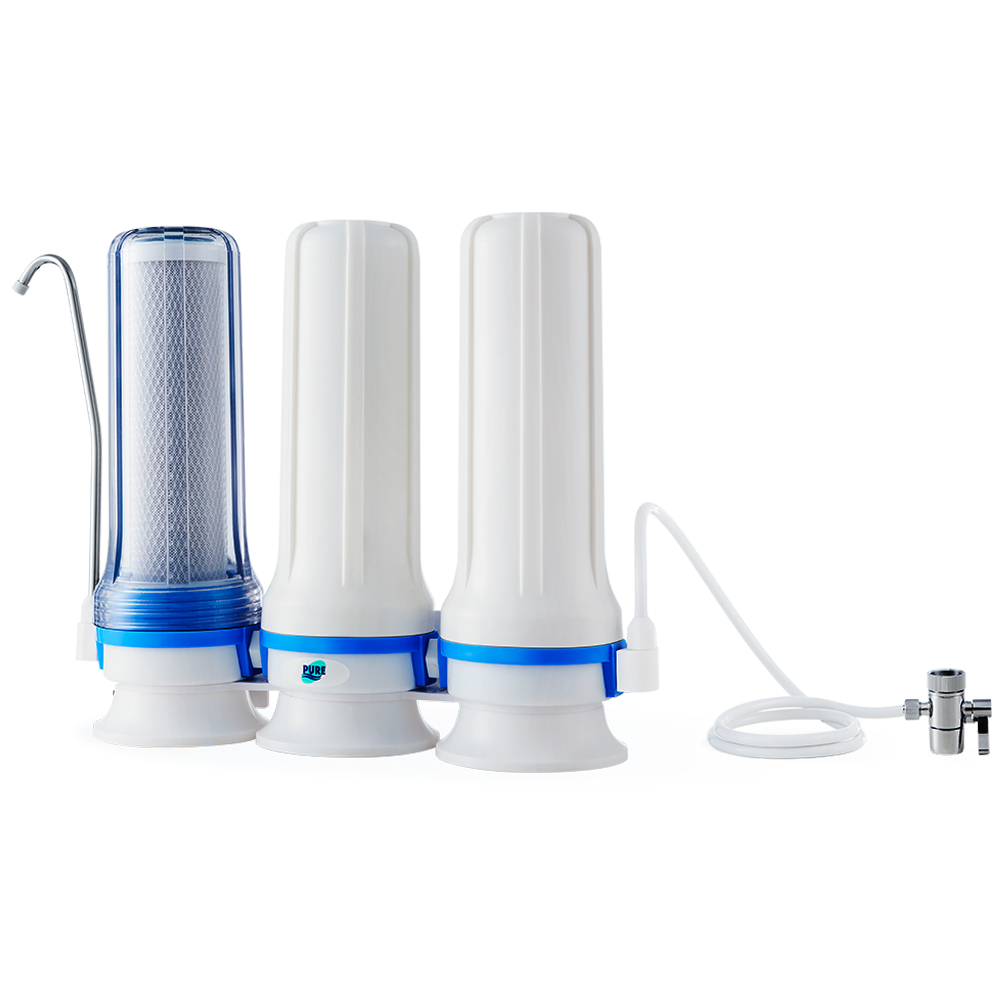
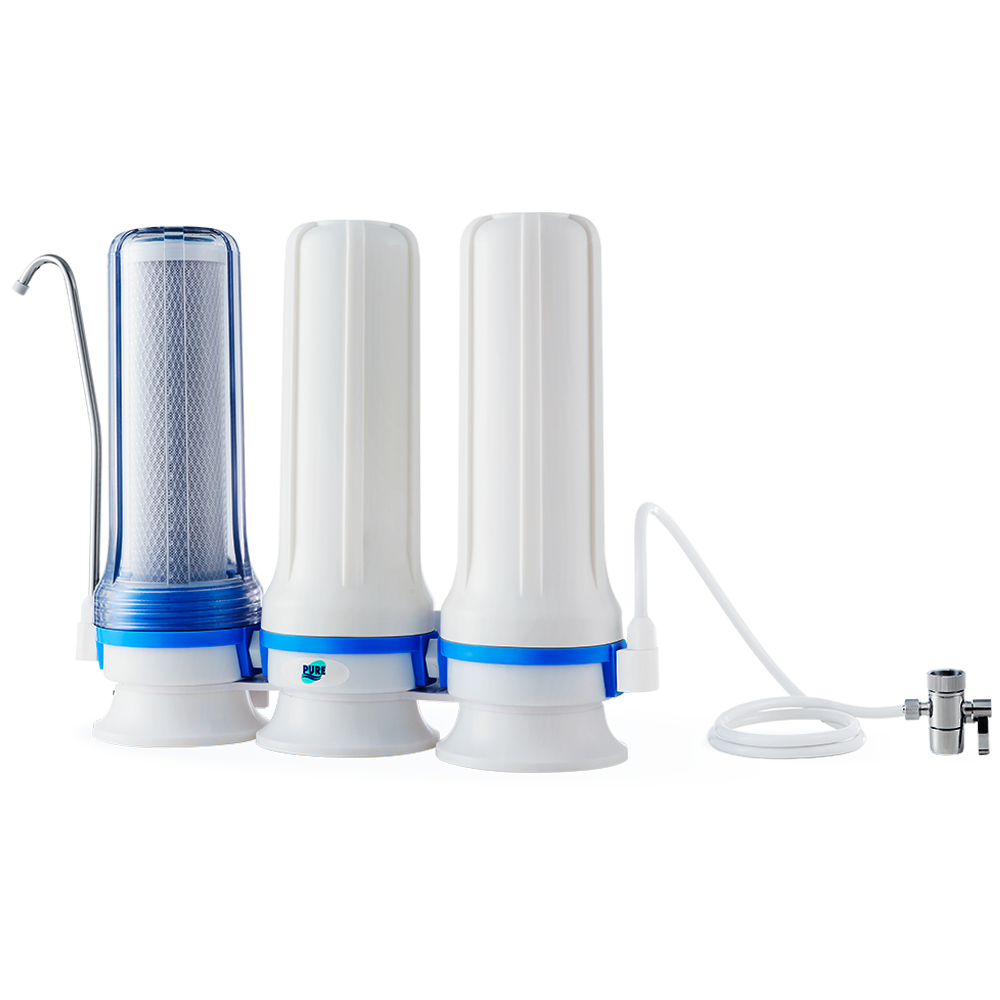
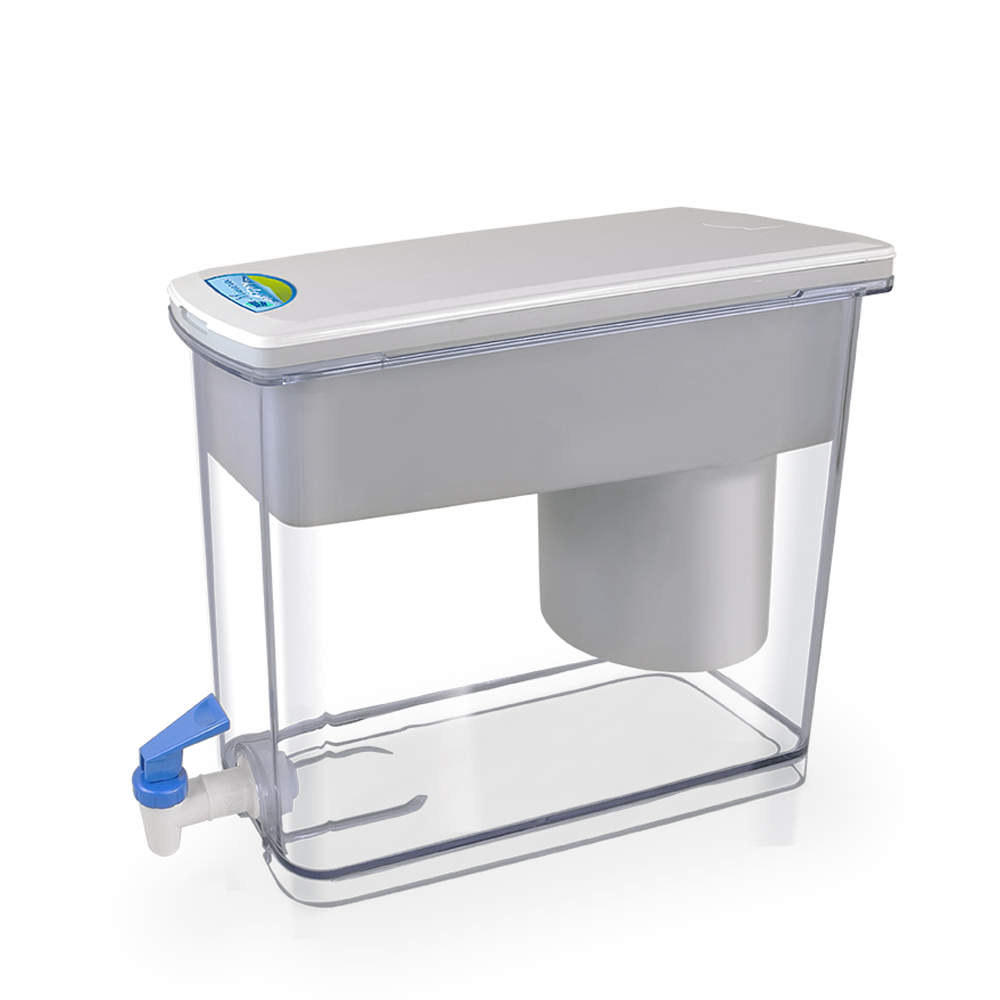
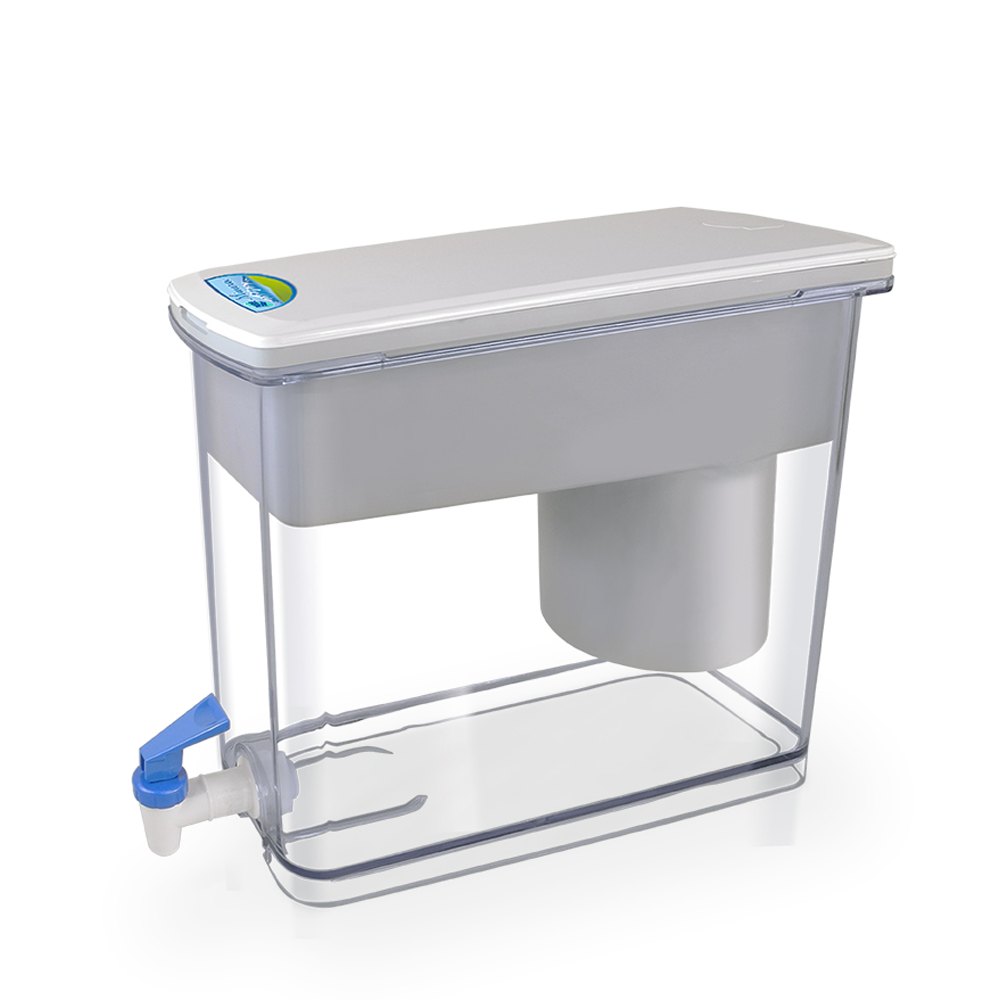
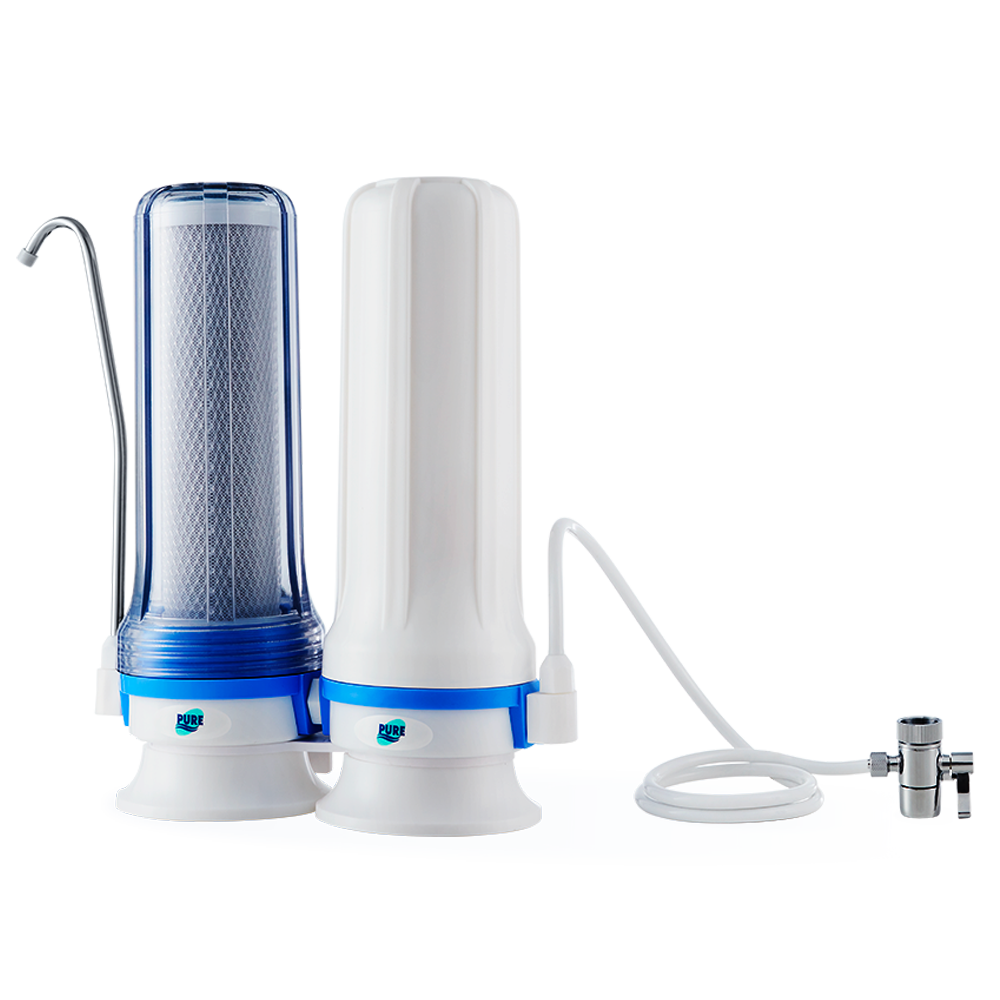
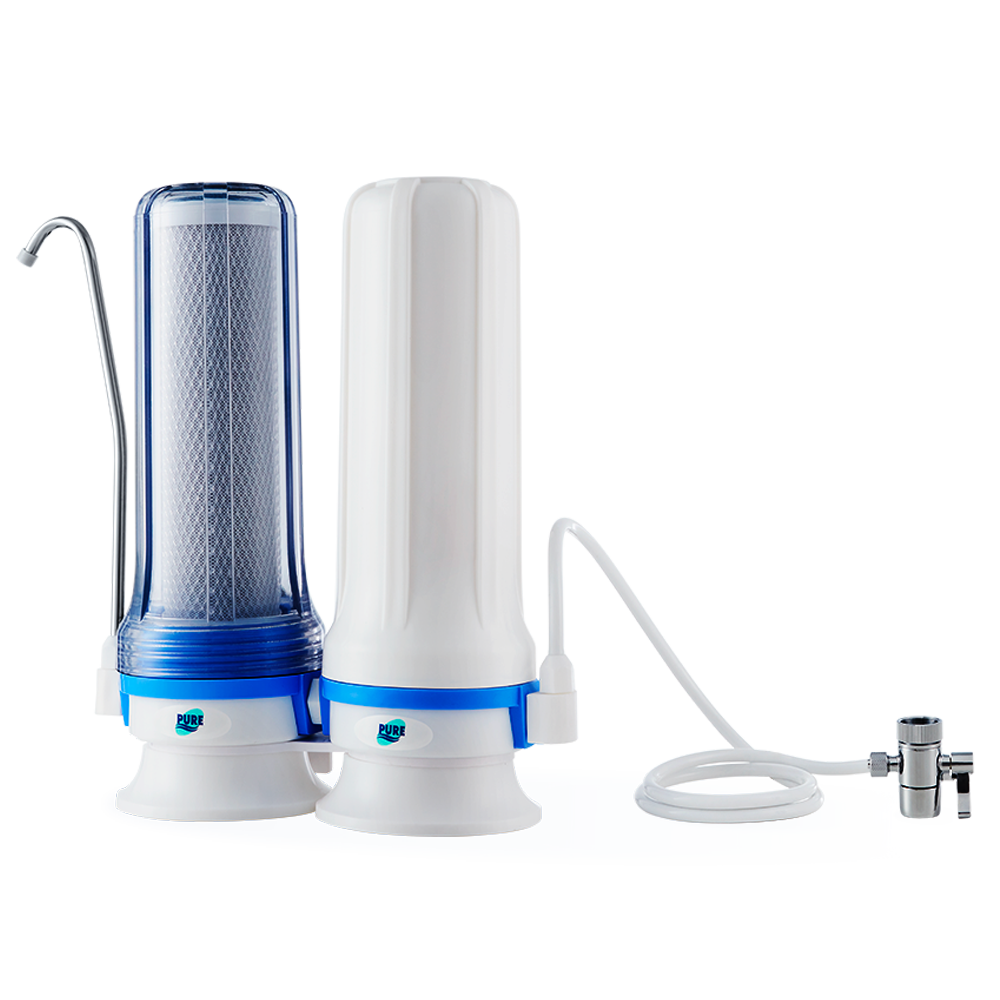
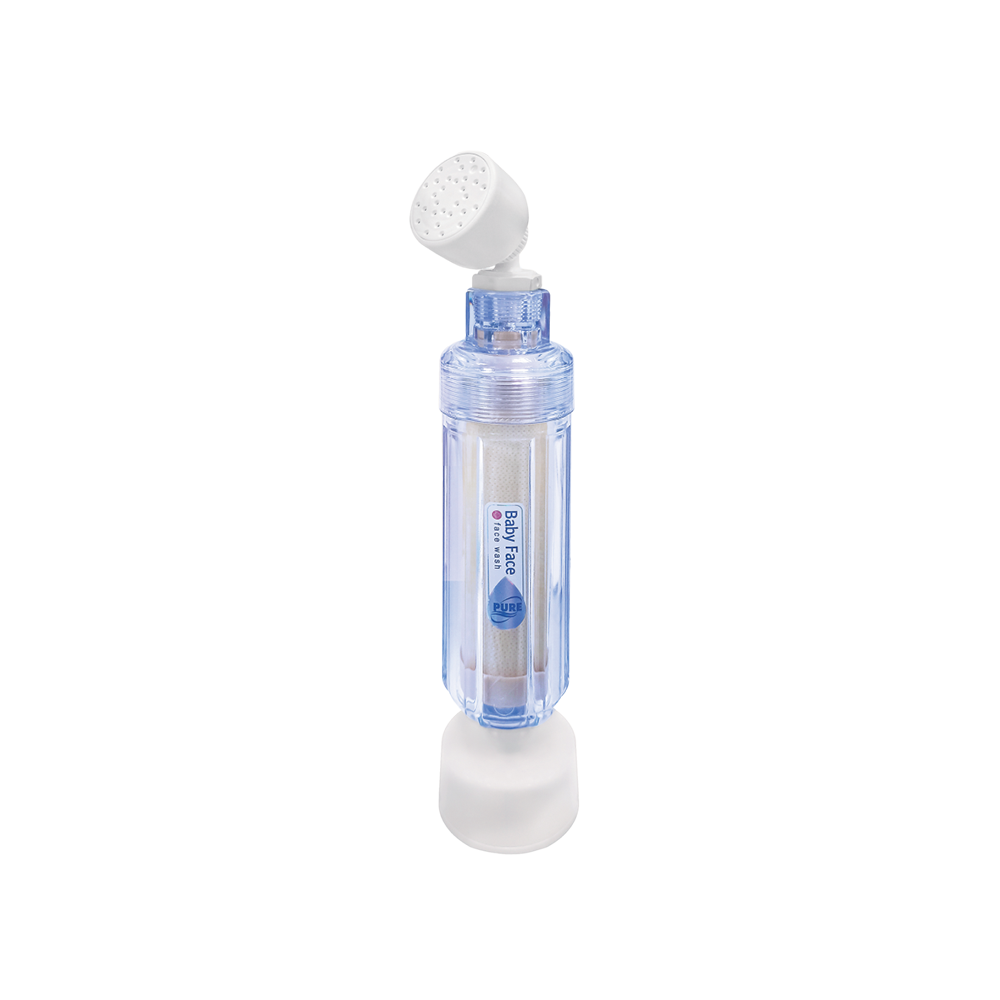
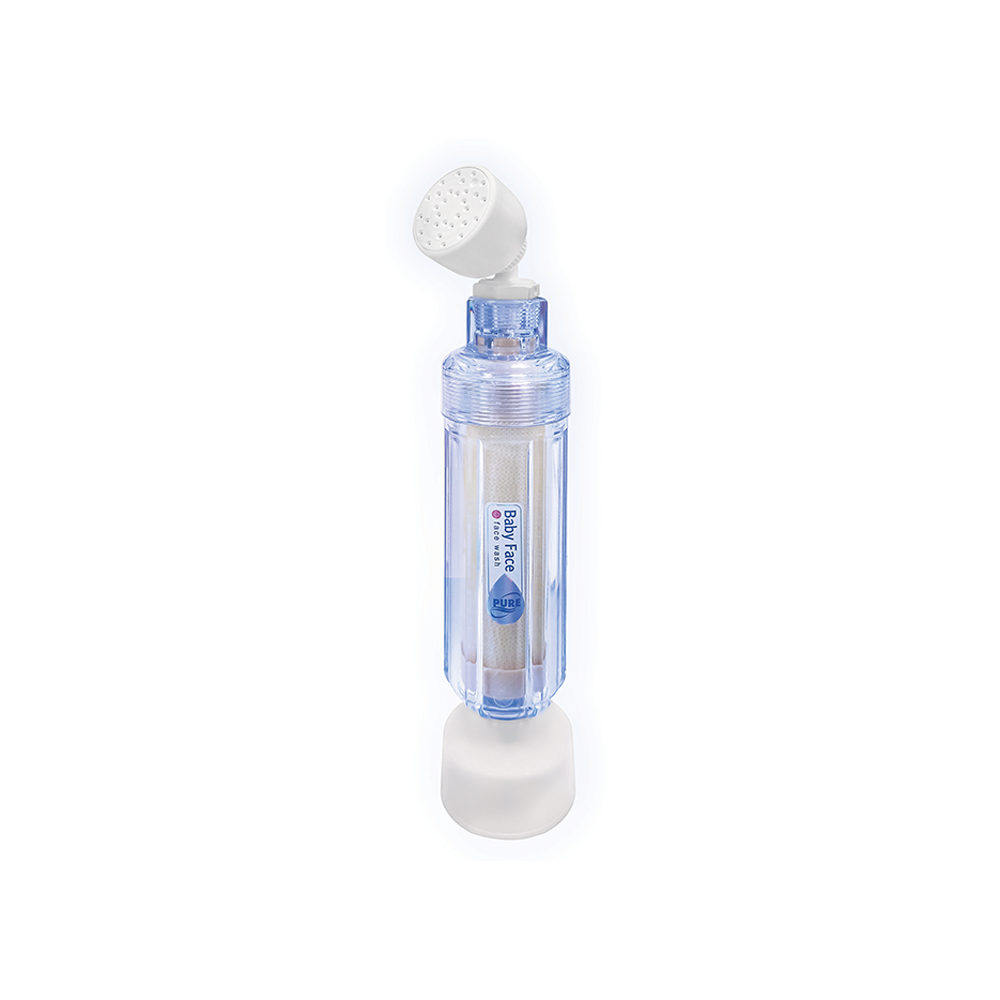





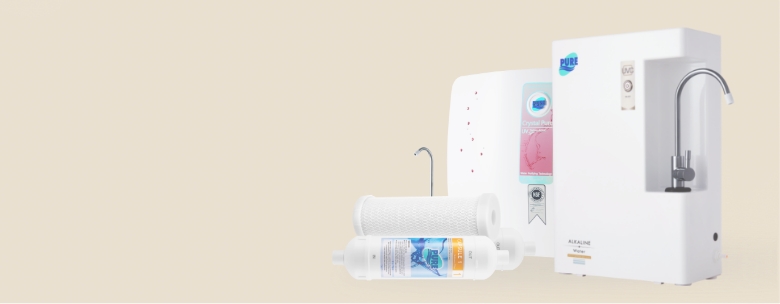
ในน้ำปกติมีแร่ธาตุที่เราต้องการอยู่น้อย ทำให้เราไม่ต้องกลัวว่าจะขาดแร่ธาตุจากการที่ดื่มน้ำ RO เพราะแร่ธาตุที่เราได้รับนั้นเกือบทั้งหมดมาจากการทานอาหารที่ทานทั้งสิ้น และน้ำดื่มที่บรรจุขวดจำหน่ายในตลาดเกือบทั้งหมดจะเป็น RO
ปัจจุบันบ้านส่วนใหญ่นิยมมีถังเก็บน้ำเพื่อสำหรับเก็บน้ำไว้ใช้ได้ตลอด แต่ถังน้ำขนาดใหญ่นี้โดยมากขาดการล้าง และปล่อยให้มีสิ่งปนเปื้อนที่มากับน้ำสะสมอยู่ภายในถัง เมื่อผ่านไปนานๆสิ่งสกปรกก็ปนเปื้อนเข้าไปในบ้านทำให้เกิดการอุดตันของก๊อกน้ำ เครื่องใช้ไฟฟ้า และคราบสะสมที่สุขภัณฑ์ต่างๆ การติดตั้งเครื่องกรองน้ำใช้จึงช่วยลดการสะสมของสิ่งสกปรกเหล่านี้และยืดเวลาในการล้างถังเก็บน้ำให้นานขึ้นด้วย
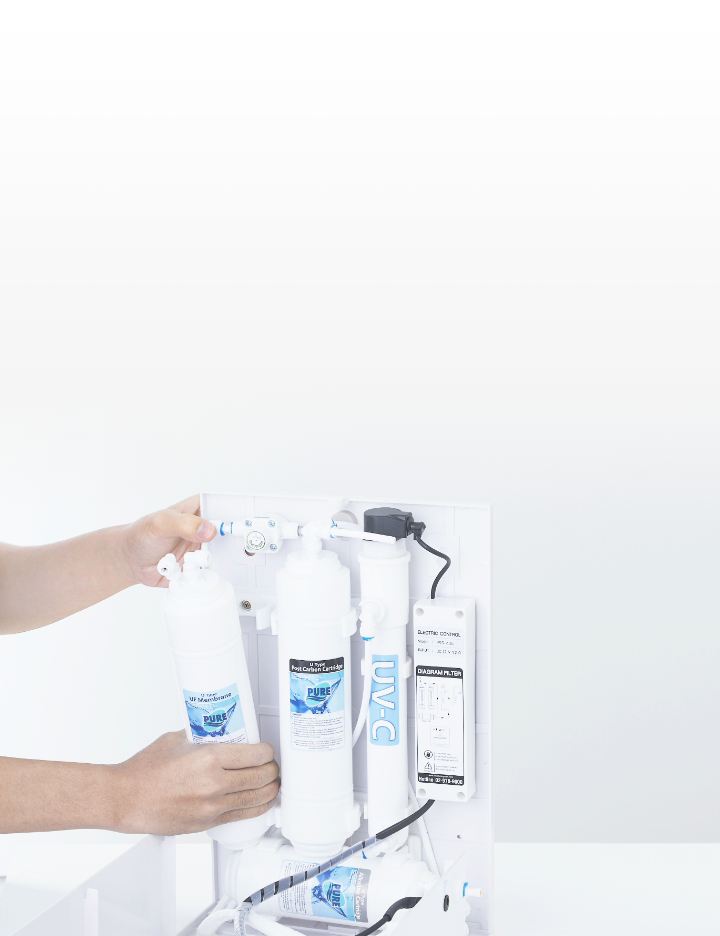
ไส้กรอง UF เป็นไส้กรองเมมเบรนชนิดหนึ่ง มีความละเอียดของรูพรุนอยู่ที่ 0.01 ไมครอน (RO 0.0001)UF สามารถกรองสิ่งปนเปื้อน เชื้อจุลินทรีย์และแบคทีเรียขนาดเล็กที่ปนเปื้อนมากับในน้ำได้ทั้งยังคงรักษาแร่ธาตุในน้ำที่มีประโยชน์ได้ UFไม่มีน้ำทิ้ง
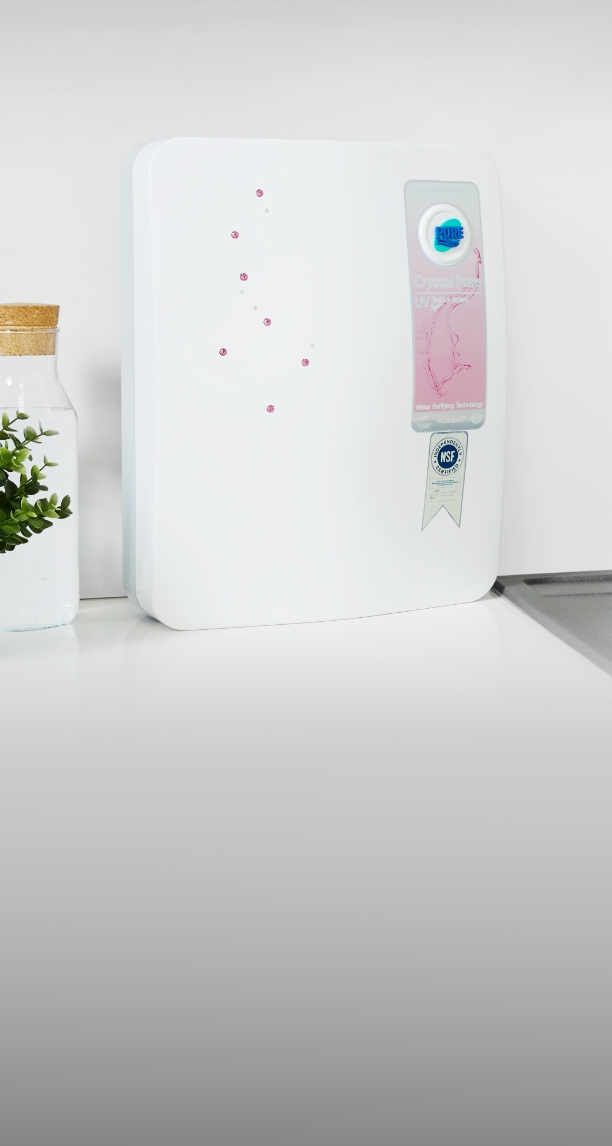
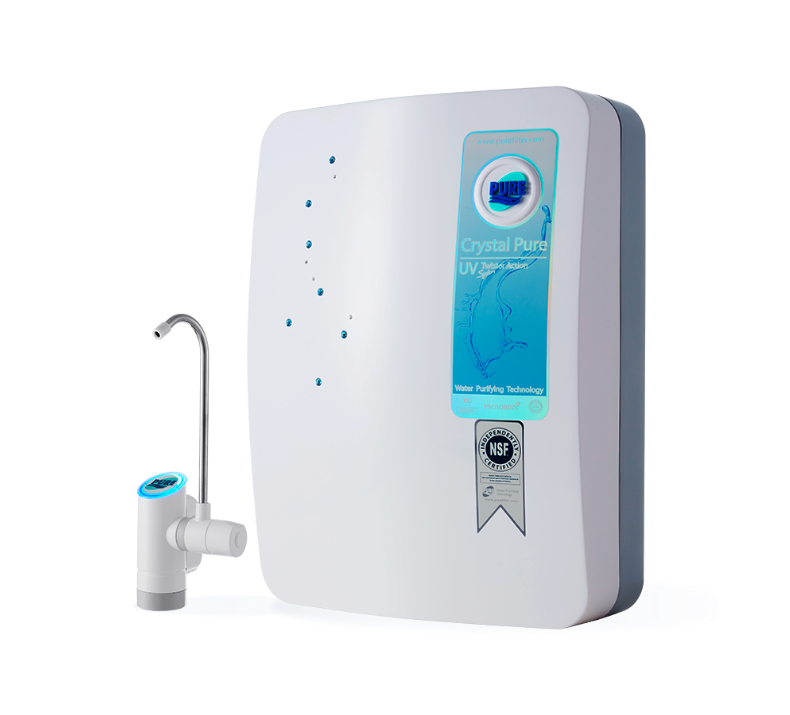
น้ำ ถือว่าเป็นปัจจัยสำคัญที่มนุษย์อย่างเราๆ จำเป็นในการดำรงชีวิต เราจึงควรเลือกเลือกดื่มน้ำที่สะอาดและปลอดภัย เครื่องกรองน้ำจึงถูกผลิตมาเพื่อเป็นอุปกรณ์ช่วยในการขจัดสารปนเปื้อนที่มากับน้ำดื่มและการติดตั้งเครื่องกรองน้ำสำหรับใช้ในบ้านจึงเป็นวิธีที่ดีและง่ายที่สุดในการกรองน้ำสะอาด ดังนั้น การเลือกเครื่องกรองน้ำสำหรับใช้ภายในบ้านจึงเป็นเรื่องสำคัญ แต่เครื่องกรองน้ำที่เลือกควรได้รับการรับรองและผ่านมาตรฐานสากลที่ได้รับการยอมรับจากทั่วโลก ก่อนจะตัดสินใจเลือกซื้อเครื่องกรองน้ำ เรามาทำความรู้จักมาตรฐานเครื่องกรองน้ำกันก่อนดีกว่า ว่ามีหลักเกณฑ์การประเมินอย่างไรบ้าง มาตรฐาน NSF/ANSI คือ การควบคุมโดยองค์กรส่งเสริมอนามัยแห่งชาติระหว่างประเทศมีหลักเกณฑ์ในการประเมินประสิทธิภาพของเครื่องกรองน้ำที่ถูกต้อง และได้รับการยอมรับในหลายประเทศ เครื่องกรองน้ำที่ผ่านการตรวจสอบโดย NSF International คือ ผลกระทบด้านกายภาพ : ทดสอบประสิทธิภาพของเครื่องกรองน้ำในการลดปริมาณสิ่งปนเปื้อนใน น้ำดื่มที่มีผลกระทบต่อรสชาติ กลิ่น และความใสของน้ำดื่ม ผลกระทบด้านสุขภาพ : ทดสอบประสิทธิภาพของเครื่องกรองน้ำในการลดปริมาณสิ่งปนเปื้อนใน น้ำดื่มที่มีอยู่มากมายหลายชนิดรวมถึงสารตะกั่ว แร่ใยหิน สารประกอบอินทรีย์ที่ระเหยได้ และสารกำจัดศัตรูพืช การบำบัดน้ำทางจุลชีววิทยาด้วยแสงอุลตร้าไวโอเล็ท : ทดสอบกับเครื่องกรองน้ำที่ใช้ แสงอุลตร้าไวโอเล็ทในการกำจัดเชื้อโรคในน้ำดื่ม
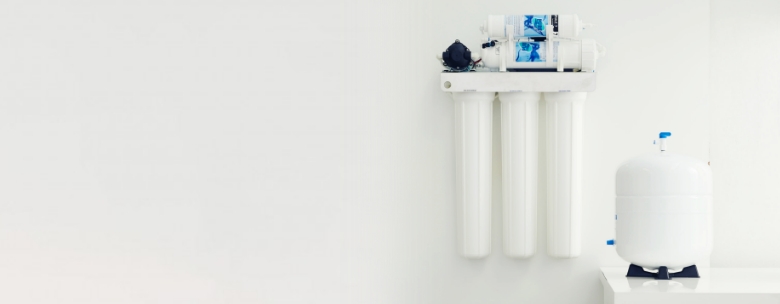
โดยธรรมชาติแล้วในน้ำจะมีสารประกอบจำพวก แคลเซียม และ แมกนีเซียม ที่เป็นประโยชน์ต่อร่างกายอยู่แล้วสารเหล่านี้ถ้ามีปริมาณมาก แล้วถูกนำไปต้มหรือแช่เย็นก็จะเปลี่ยนสภาพเป็นของแข็งจับตัวกับโลหะที่เราเรียกว่า ตะกรัน ซึ่งสารประกอบสำคัญที่ทำให้เกิดเป็นตะกรันก็คือ หินปูน นั่นเอง *วิธีแก้ ปัญหานี้มักจะเกิดจากน้ำดิบที่นำมากรองมีค่าความกระด้างสูง จึงต้องแนะนำให้มีการใช้ไส้กรองเรซิ่นเพิ่มเติมเพื่อเป็นการลดความกระด้างส่วนในรายที่มีการใช้ไส้เรซิ่นอยู่แล้วนั้น เป็นเพราะความสามารถในการแลกเปลี่ยนประจุของเม็ดเรซิ่นเสื่อมลงต้องนำไส้กรองไปล้างน้ำเกลือ 10 % เพื่อเป็นฟื้นฟูความสามารถในการแลกเปลี่ยนประจุเข้าไปใหม่ใช้เวลาประมาณ 25 - 30 นาที หรือเปลี่ยนใหม่ ก็จะทำให้ลดการเกิดตะกรันลงได้
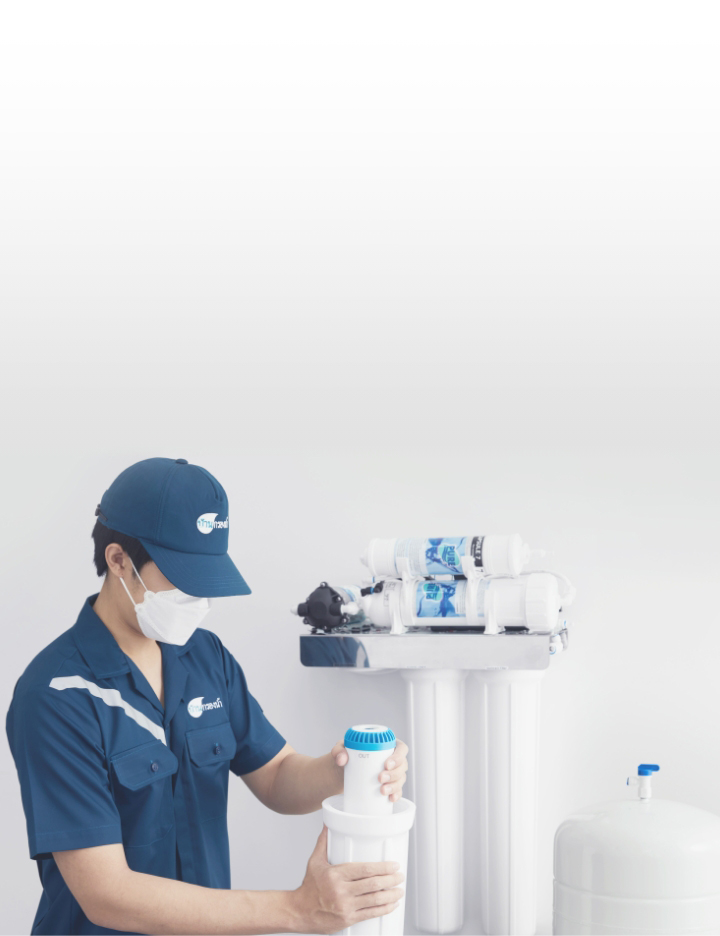
เมื่อใช้งานไส้กรองน้ำไปสักระยะหนึ่ง ไส้กรองก็ต้องเกิดการอุดตันเป็นเรื่องปกติ ทำให้น้ำไหลช้าลงได้ แต่ทั้งนี้ต้องมีการตรวจสอบอายุการใช้งานไส้กรอง การหักพับของสายน้ำ หรือแรงดันน้ำประปาว่า ปกติหรือไม่ เพราะบางครั้งที่น้ำไหลเบาก็ไม่ได้เกิดจากการอุดตันของไส้กรองอย่างเดียว
เมื่อไม่ได้ใช้น้ำก็จะมีน้ำค้างอยู่ในกระบอก เมื่อไม่มีน้ำเข้ามาแทนที่เป็นเวลานานก็อาจทำให้เกิดกลิ่นซึ่งเป็นเรื่องปกติได้ดังนั้นก่อนการรองน้ำให้เปิดน้ำทิ้งก่อน ประมาณ 1 - 2 นาที กลิ่นก็จะหายไป ถ้าไม่หายอาจเป็นเพราะไส้กรองอาจหมดอายุหรือเสื่อมประสิทธิภาพ จึงควรเปลี่ยนไส้กรอง
ในกระบวนการผลิตไส้กรองคาร์บอนนั้น การอัดแท่งจะต้องใช้ความร้อนสูงทำให้ตัวไส้กรองมีความเป็นด่างเพิ่มขึ้นไส้กรองที่มีความเป็นด่างจะให้รสชาติน้ำที่ค่อนข้างหวาน แต่เมื่อมีการใช้งานไปนานขึ้น ความเป็นด่างของไส้กรองจะปรับลดลงให้เป็นกลางมากขึ้น รสหวานเลยลดลงทำให้รู้สึกว่ารสเปลี่ยนไป ซึ่งเป็นปกติของการใช้งานเครื่องกรองน้ำ และกรองเรซินปรับสภาพน้ำดื่มมีประสิทธิภาพลดลง
ในลักษณะนี้น่าจะเกิดจากแบคทีเรียที่เข้าไปสะสมอยู่ในทางเดินของน้ำ แล้วจับตัวกันเกาะเป็นแผ่นบางๆ ซึ่งจะหลุดปะปนออกมากับน้ำเมื่อมีน้ำไหลผ่าน ที่เรียกว่า ใบโอฟิล์ม ซึ่งจะพบในพื้นที่การติดตั้งที่ใกล้กับซิงก์น้ำล้างจาน หรือที่มีการแพร่กระจายของแบคทีเรียได้ง่าย และไม่ได้ใช้น้ำต่อเนื่อง การแก้ไข ให้ทำความสะอาดทางเดินของน้ำ อาจเป็นสายน้ำหรือก๊อกน้ำด้วยน้ำยาฆ่าเชื้อในส่วนของภายนอก ส่วนของภายในท่อทางเดินน้ำให้ลวกด้วยน้ำร้อนก็จะทำให้ปัญหาดังกล่าวหายไป
แนะนำให้เปลี่ยนไส้กรองน้ำทุกปี เพื่อรักษาคุณภาพน้ำให้ได้มาตราฐาน
ปัญหาในลักษณะนี้มักเกิดจากภาชนะที่นำมาบรรจุนั้น มีการปนเปื้อนหรือมีการใช้บรรจุซ้ำหลายครั้ง และอาจได้รับการเร่งปฏิกิริยาจากสิ่งแวดล้อมเช่น แสงแดด หรืออุณหภูมิที่เหมาะสม ก็จะทำให้เกิดตะไคร่ขึ้นได้ภาชนะที่ใช้บรรจุนั้นแนะนำให้ใช้ภาชนะที่สำหรับบรรจุน้ำเท่านั้น และให้เก็บในที่แห้งแสงแดดส่องไม่ถึงรวมทั้งไม่รองน้ำเก็บไว้ครั้งละมากๆ แต่ให้มีการใช้งานเครื่องอย่างสม่ำเสมอจะเหมาะสมกว่า
โดยปกติแล้วบริษัทจะมีระบบการแจ้งเตือนเมื่อถึงกำหนดเวลา โดยเปลี่ยนตามอายุของแต่ละไส้กรองเป็นหลัก แต่ในการใช้งานนั้นสามารถสังเกตได้จากความผิดปกติในการใช้งานได้ เช่น น้ำที่กรองออกมามีกลิ่นผิดปกติ มีกลิ่นเหมือนสารเคมีปนมากับในน้ำ หรืออัตราการไหลของน้ำที่ช้าลง ก็น่าจะถึงเวลาเปลี่ยนไส้กรองได้แล้ว
เลขที่ 26/7 หมู่ที่ 4 ถ.สามโคก-เสนา
ต.โคกช้าง อ.บางไทร จ.พระนครศรีอยุธยา 13190
2564 © สงวนลิขสิทธิ์ บริษัท ฟิลเตอร์ มาร์ท จำกัด
2564 © สงวนลิขสิทธิ์ บริษัท ฟิลเตอร์ มาร์ท จำกัด